
Graphic Design is the craft of visual communication using images, typography, color, and layout to convey ideas, emotions, and messages to a specific audience. It is one of the oldest and most versatile creative disciplines, covering everything from a company's logo and brand identity to the packaging on a shelf, the poster on a wall, and the banner ad on a website.
At its core, graphic design solves problems visually. A skilled graphic designer understands not just how to make things look good, but how to make them communicate effectively. This requires a strong foundation in design principles balance, contrast, hierarchy, alignment, and repetition combined with the technical mastery of professional design software and an understanding of the audience being spoken to.
Why Graphic Design Is Important For Businesses?
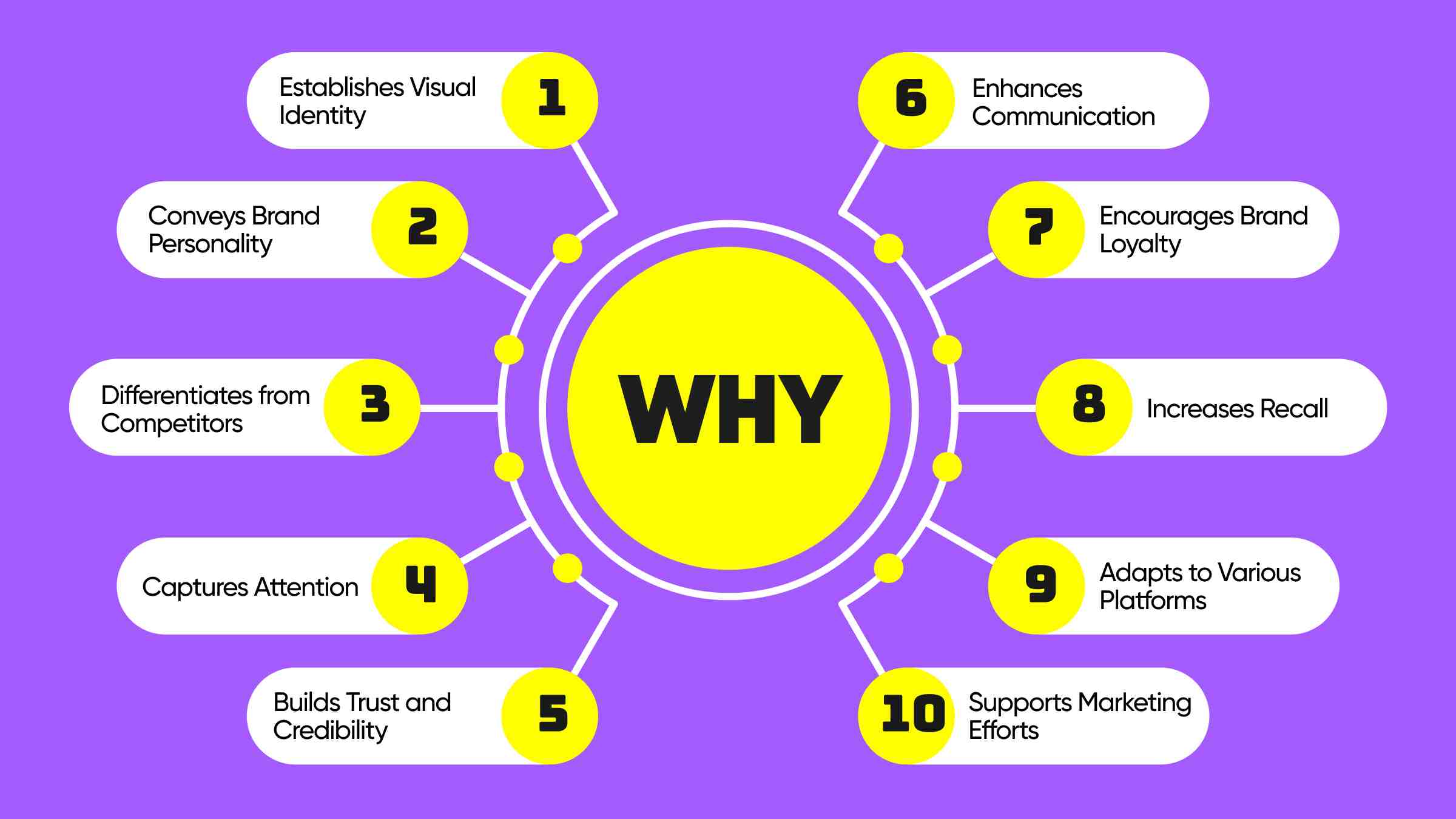
Graphic design is one of the most powerful and underestimated business assets a company can invest in. Every interaction a customer has with a brand visiting a website, picking up a product, reading a brochure, scrolling past a social media post is a visual experience shaped entirely by design.
A business that communicates visually with clarity, consistency, and professionalism builds trust faster, commands higher perceived value, and stands out in crowded markets. Studies consistently show that consumers make snap judgments about a brand's credibility within seconds of seeing it, and those judgments are driven almost entirely by visual presentation. In short, how your business looks directly determines whether people take it seriously.
Importance Of Graphic Design In Different Industries
Graphic design is not confined to one sector, it is a universal business language that every industry relies on to communicate, compete, and connect with its audience. Whether it is a hospital producing patient education materials, a fashion brand launching a seasonal campaign, or a tech startup pitching to investors, every industry depends on visual communication to convey its message clearly and credibly. The moment a business stops investing in how it presents itself visually, it loses ground to competitors who understand that people judge what they see before they engage with what they read.